Process
Why the best creative brief is the shortest one
Web
Read time
4 min read
Date
Author
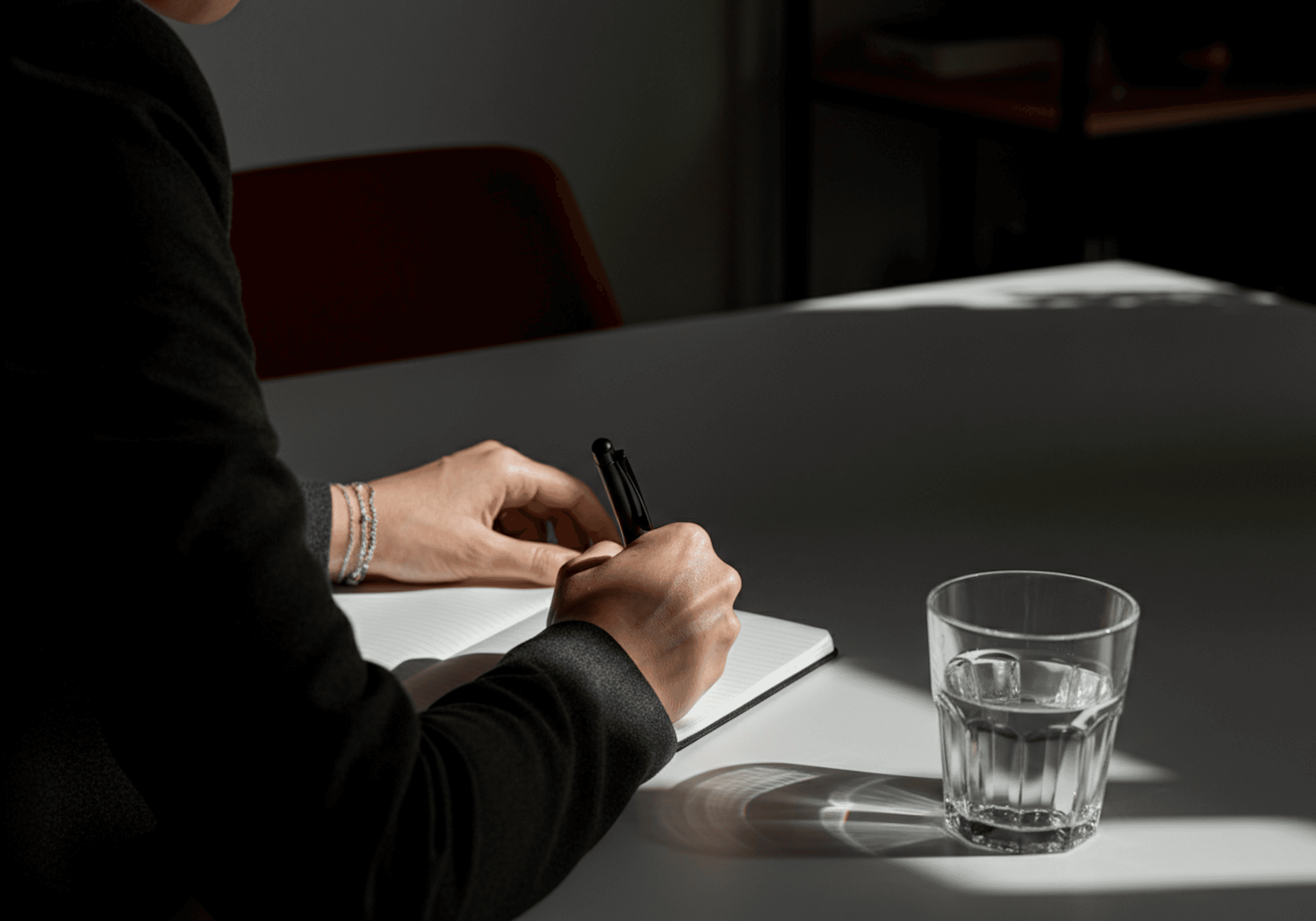
Handmade objects carry a sense of authenticity. A ceramic cup, a hand-bound notebook, or a painted sign all feel unique because they reflect the presence of the person who created them.
Digital products often lack that feeling.
Many websites rely on identical layouts, stock imagery, and predictable design systems. While efficient, these patterns can make brands feel interchangeable.
When digital experiences incorporate handmade qualities—like expressive typography, organic illustrations, or subtle imperfections—they begin to feel more personal and memorable.
People connect with things that feel real.
In traditional design, imperfection is often avoided. Designers are trained to align everything precisely and maintain visual consistency.
But small imperfections can actually create character.
Slightly irregular linework, textured graphics, or hand-drawn elements introduce visual warmth. They break the rigid feeling of purely digital design and remind the viewer that a human mind shaped the work.
This doesn’t mean making things messy. It means using controlled imperfection to create personality.
Some of the most engaging designs balance clean structure with expressive details.
One of the easiest ways to make digital design feel more tactile is through texture.
Subtle grain, paper-like backgrounds, or layered surfaces can give an interface a sense of depth that flat design often lacks. These textures don’t need to be obvious—they often work best when they’re barely noticeable.
The goal is to create atmosphere rather than decoration.
Texture adds warmth and richness, making digital environments feel more inviting and less sterile.
Handmade design often tells a story through details.
An illustrated icon, a custom graphic pattern, or a distinctive visual motif can hint at the personality behind the brand. These elements don’t just decorate the interface—they communicate identity.
When every visual element feels intentional, the brand begins to feel crafted rather than assembled.
This approach encourages designers to move beyond generic components and create distinctive visual languages.
The result is an experience that feels unique rather than templated.
Of course, personality should never compromise clarity.
Handmade-inspired design still needs to follow strong usability principles. Navigation must remain clear, text must remain readable, and layouts must remain intuitive.
The most successful designs combine the warmth of handcrafted aesthetics with the precision of modern digital systems.
Structure provides clarity. Craft provides character.
When both work together, the experience becomes both functional and emotionally engaging.
Digital design doesn’t have to feel cold or mechanical.
By introducing subtle imperfections, expressive typography, texture, and thoughtful motion, designers can create experiences that feel crafted rather than manufactured.
Share this post
Related articles